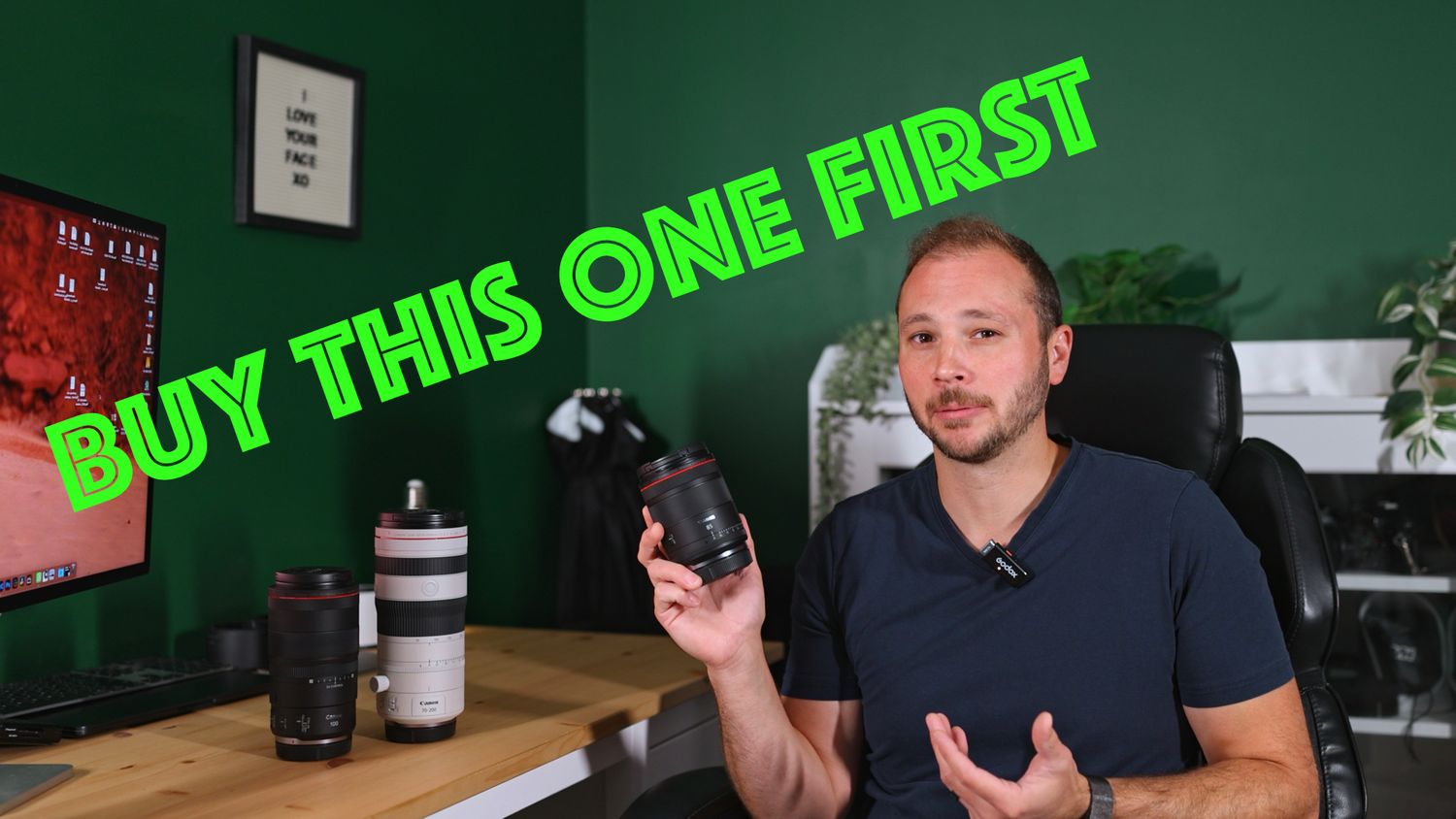
Choosing your next lens as a wedding photographer can be surprisingly difficult. There are plenty of excellent Canon RF lenses available, but the best lens for one photographer may be a poor investment for another.
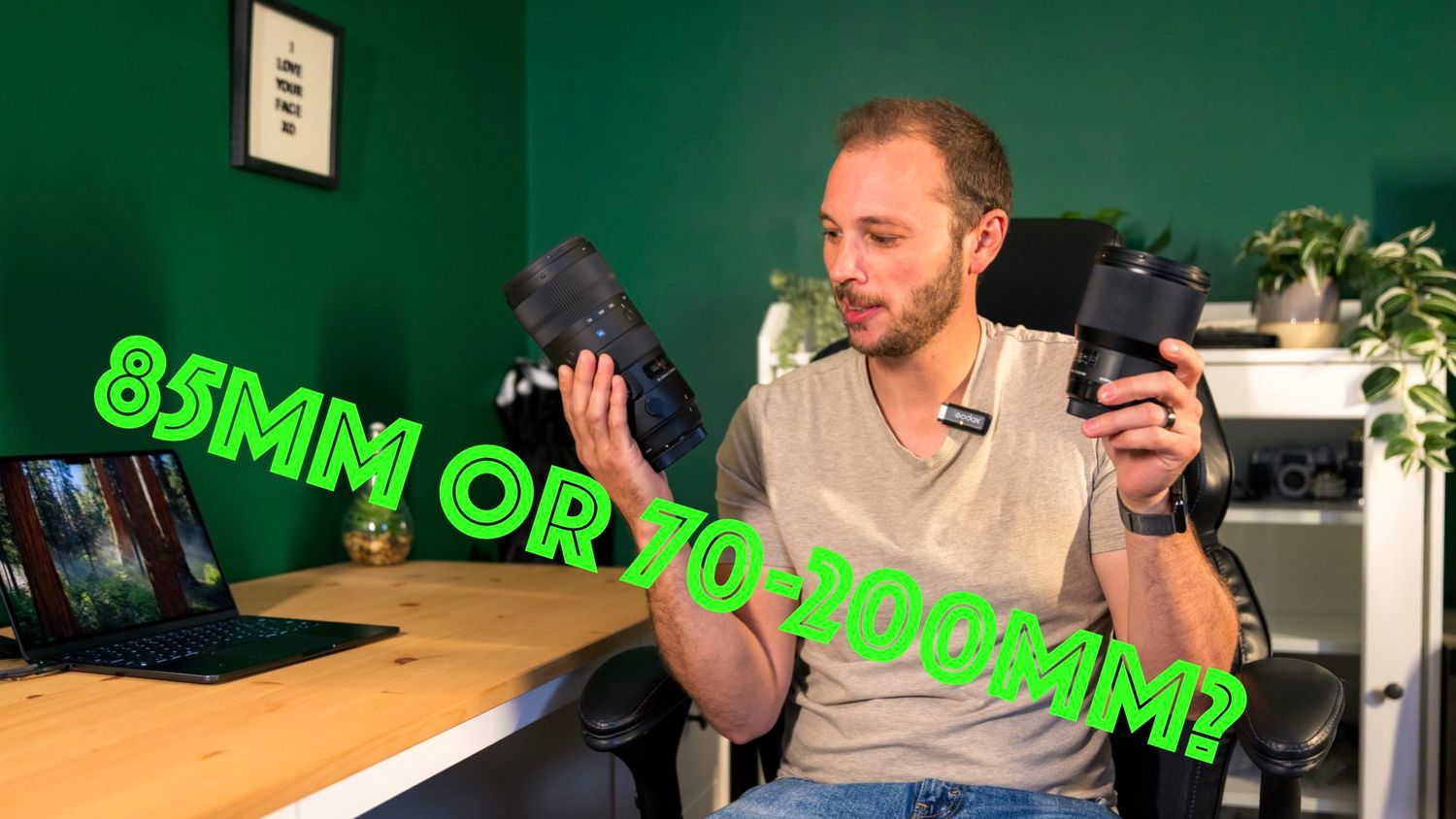
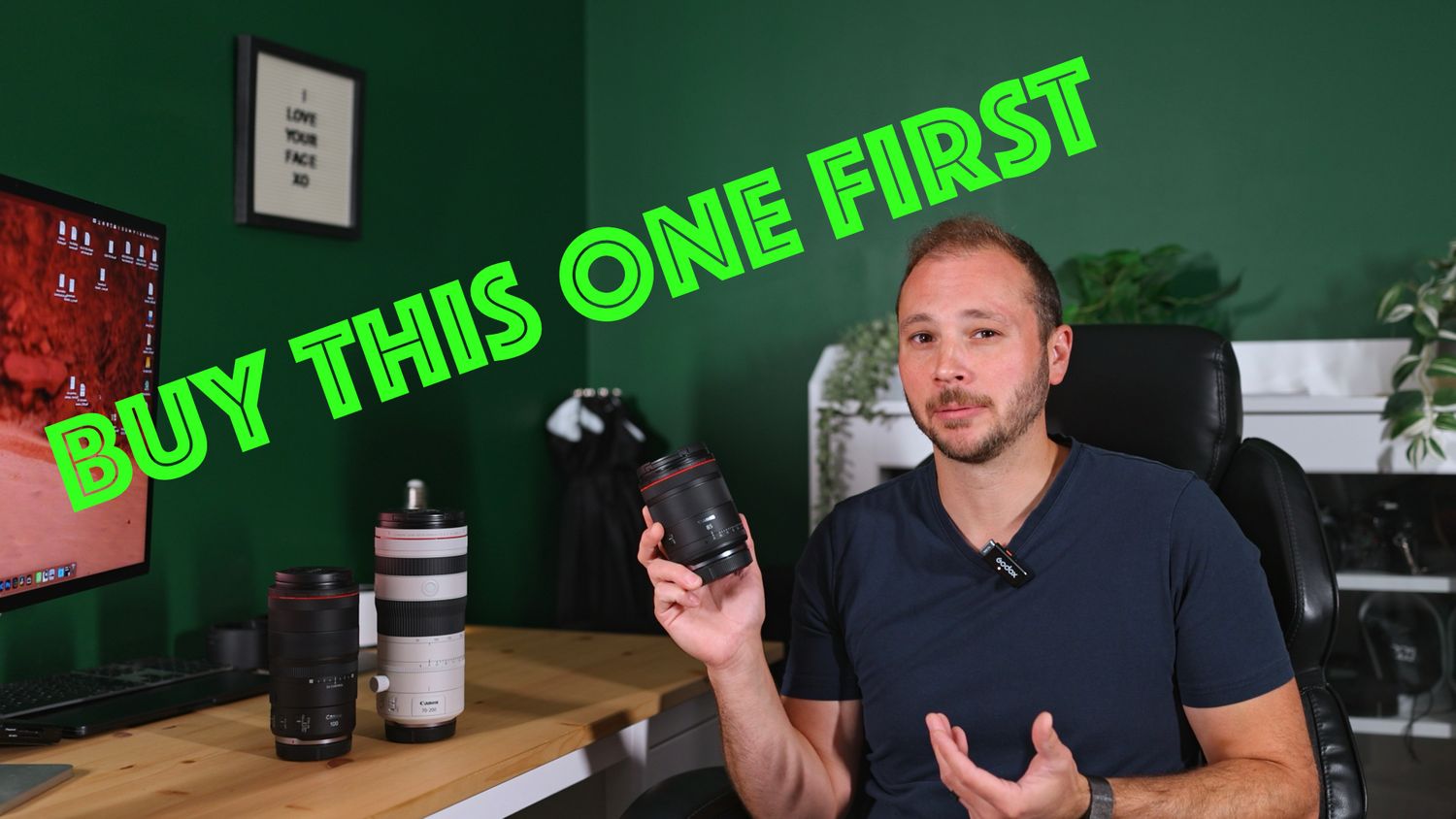
In my latest video, I compare three lenses that I regularly use when photographing weddings: the Canon RF 85mm f/1.4 VCM, the Canon RF 100mm f/2.8L Macro IS USM and the Canon RF 70-200mm f/2.8L IS USM Z.
These lenses are very different, both in how they perform and in the situations where I use them. Combined, they represent a significant investment — around $8,200 Canadian — so it's worth thinking carefully about which one should come next in your wedding photography kit.
Canon RF 85mm f/1.4 VCM
Of the three lenses, the 85mm f/1.4 VCM is the lens I use most often.
For me, it's an excellent wedding portrait lens. I use it for bride and groom portraits, getting-ready portraits, intimate portraits and candids. The 85mm focal length also works extremely well for smaller ceremonies and receptions, particularly when working indoors.
The f/1.4 aperture gives you excellent low-light capability and allows you to create dramatic portraits with strong subject separation. I also like the relatively compact size of the lens, particularly when you're carrying camera equipment for an eight- or ten-hour wedding.
It's not perfect for every situation, though. As a prime lens, you're limited to one focal length, meaning you have to move your feet to change your composition. That becomes particularly noticeable when you're stuck at the back of a church and can't physically get closer to the couple.
For photographers who already own a 24-70mm or 15-35mm and want a lens that can really elevate their portraits, this is the lens I'd look at first.
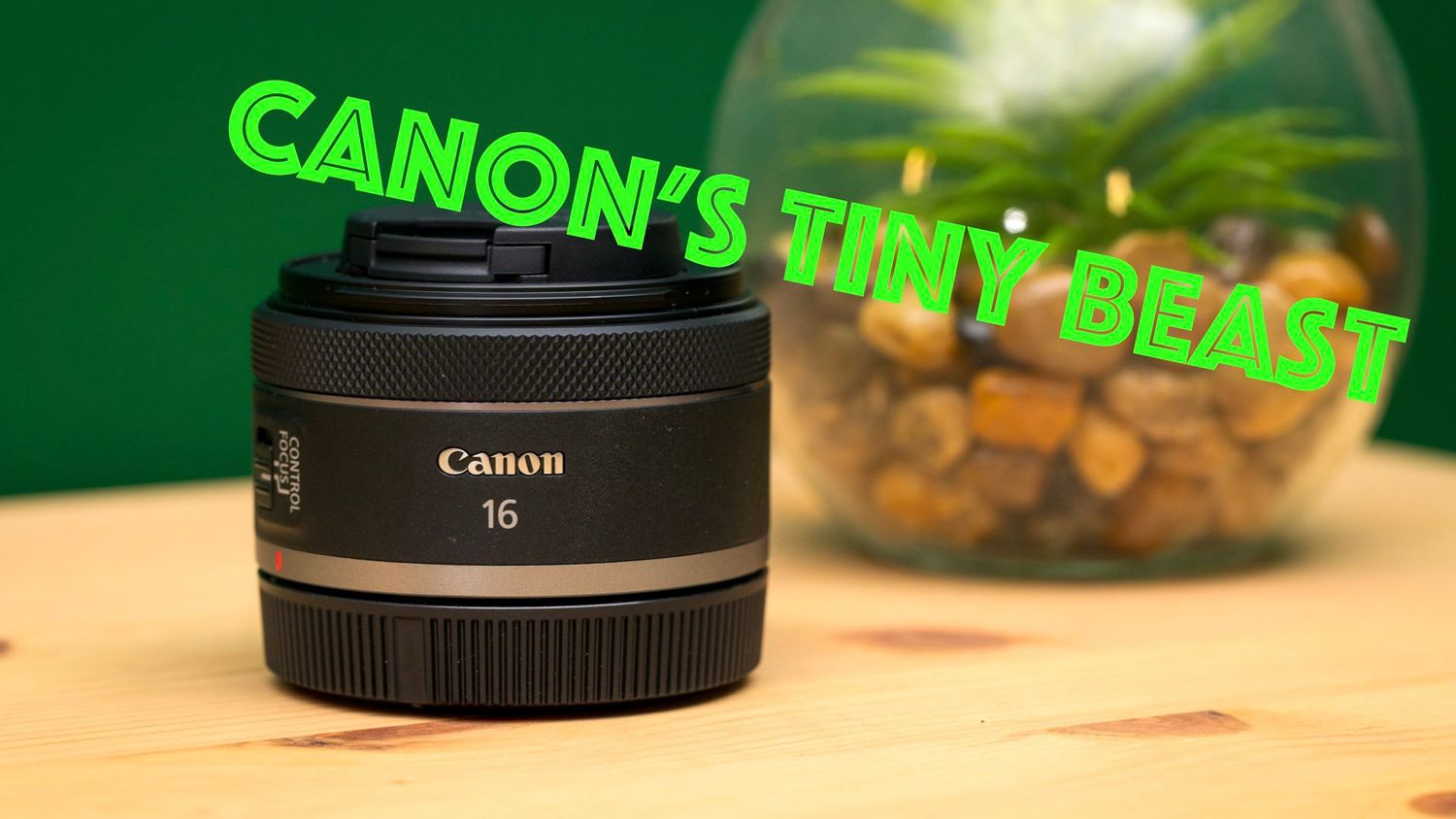
Canon RF 100mm Macro
The RF 100mm f/2.8L Macro is a very different lens.
The main reason I carry it to weddings is for the detail photographs that other lenses simply can't replicate in the same way.
Wedding rings, invitations, jewellery and dress details are some of the situations where I specifically reach for the 100mm Macro.
These photographs might only take a relatively small amount of time during the wedding, but they can become some of the images that couples treasure. They're the little details that can be forgotten as the years go by but become part of the visual record of the wedding day.
The 100mm can also be used for portraits and has excellent subject separation, but I don't consider it a replacement for the 85mm. In smaller indoor spaces, the 100mm can also become a little too long, particularly when you're trying to photograph speeches or other events where you don't have much room to move.
For second shooters, however, the 100mm can be particularly interesting. On a high-resolution camera such as an R5, you also have some additional cropping flexibility when you need more reach.
If you already have your main portrait lenses covered and want to add something that can give your wedding galleries something extra, the 100mm Macro is worth considering.
Canon RF 70-200mm f/2.8L IS USM Z
The 70-200mm is probably the most versatile lens of the three.
Its biggest advantage is the range it provides. At weddings, there are plenty of situations where you simply can't get closer to the couple.
Outdoor ceremonies are a great example. You can photograph the bride walking down the aisle, get tighter images of the couple during the ceremony and then quickly change your composition as the action moves.
It's also excellent for large churches, large venues and speeches where you may have significant distance between yourself and your subjects.
As a second shooter, I find this focal length particularly useful. It allows you to capture intimate moments without constantly having to move around the venue.
The trade-off is size, weight and price. It's heavier than the other two lenses, although compared with older 70-200mm lenses and some EF-mount alternatives, the Z is surprisingly light.
It's also a lens that may spend more time in your camera bag than on your camera. I might only use it for 30 minutes to an hour during an eight- or ten-hour wedding, but when I need it, I really don't want to be without it.
So which lens should you buy?
That's ultimately going to depend on how you photograph weddings.
If portraits are your priority, I'd choose the **RF 85mm f/1.4 VCM**.
If you already have your portrait lenses and want to add beautiful wedding details that you can't get in quite the same way with your other lenses, I'd choose the **RF 100mm Macro**.
If you're regularly photographing large ceremonies, churches, outdoor weddings or large venues, the **RF 70-200mm f/2.8L IS USM Z** is going to be extremely useful.
But what if you can only afford one?
If I had around **$2,000 Canadian** to spend, I'd personally stretch slightly beyond that budget and buy the **RF 85mm f/1.4 VCM**.
It's the lens I use most frequently out of these three, and because you will probably already have other lenses covering wider focal lengths, the 85mm adds something significant to your kit without becoming a lens you only use for a handful of photographs.
If I had around **$4,000–$4,300 Canadian**, I'd be looking much more seriously at the **70-200mm f/2.8 Z**, particularly if I regularly photographed large ceremonies.
And if portraiture was a major part of my work and I didn't regularly need the reach of a 70-200mm, I'd consider buying both the **85mm and 100mm Macro** rather than spending the money on an 85mm f/1.2.
The important thing isn't simply buying the most expensive lens. It's buying the lens that fills the biggest gap in the way you photograph weddings.
Watch the video above for the full comparison and examples of how I use each lens during a real wedding day.